Gazette Local Ticket Events
Currently and Upcoming on Hoopla
-
Upward Basketball Sign Up
2026-10-22 19:00:00 -0500 10/22/26 @ 7:00 a.m.The Church on NorthlandCedar Rapids
 -
"European Travels" - an exhibit of original artworks by John Preston
2026-10-22 17:00:00 -0500 10/22/26 @ 10:00 a.m.Gilded Pear GalleryCedar Rapids
 -
Muscatine and the Civil War
2026-10-22 17:00:00 -0500 10/22/26 @ 10:00 a.m.Muscatine Art CenterMuscatine
 -
Barn Storm: Picturing a Midwestern Icon
2026-10-22 20:00:00 -0500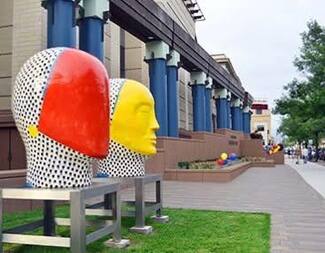 10/22/26 @ 12:00 p.m.Cedar Rapids Museum of Art - Grant Wood StudioCedar Rapids
 -
Grant Wood: from Farm Boy to American Icon Exhibition
2026-10-22 20:00:00 -0500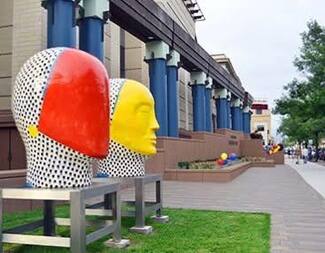 10/22/26 @ 12:00 p.m.Cedar Rapids Museum of Art - Grant Wood StudioCedar Rapids
 -
Art in Roman Life Exhibition
2026-10-22 20:00:00 -0500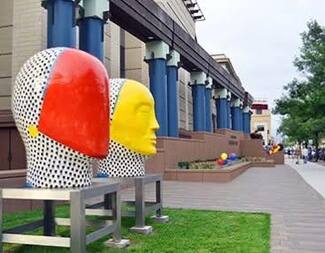 10/22/26 @ 12:00 p.m.Cedar Rapids Museum of Art - Grant Wood StudioCedar Rapids
 -
Beyond the Prairie: Midwestern Art from the Collection Exhibition
2026-10-22 20:00:00 -0500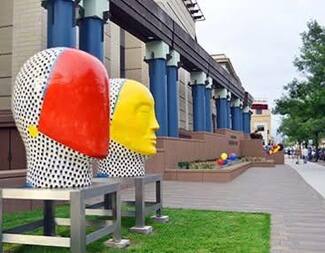 10/22/26 @ 12:00 p.m.Cedar Rapids Museum of Art - Grant Wood StudioCedar Rapids
 -
Threading the Needle: Fiber Art in Iowa
2026-10-22 20:00:00 -0500 10/22/26 @ 12:00 p.m.Cedar Rapids Museum of Art - Grant Wood StudioCedar Rapids
 -
Marvin Cone: An American Vision Exhibition
2026-10-22 20:00:00 -0500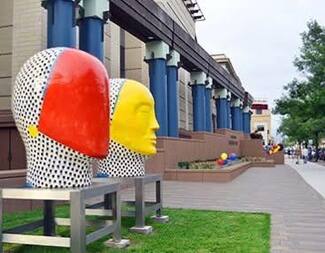 10/22/26 @ 12:00 p.m.Cedar Rapids Museum of Art - Grant Wood StudioCedar Rapids
 -
MakerSpace Open Hours
2026-10-22 18:00:00 -0500 10/22/26 @ 3:00 p.m.Marion Public LibraryMarion
 -
Friends of Hiawatha Public Library
2026-10-22 18:30:00 -0500 10/22/26 @ 5:30 p.m.Hiawatha Public LibraryHiawatha
 -
Pumpkin Perch: A Gnome Craft
2026-10-22 19:30:00 -0500 10/22/26 @ 6:00 p.m.Hiawatha Public LibraryHiawatha
 -
The Great Green Halloween Costume Swap
2026-10-23 23:59:00 -0500 10/23/26 @ 12:00 a.m.Hiawatha Public LibraryHiawatha
 -
Teen Makers & Gamers
2026-10-22 17:00:00 -0500 10/22/26 @ 3:30 p.m.Cedar Rapids Public Library DowntownCedar Rapids
 -
Nooks and Crannies Tour
2026-10-22 19:00:00 -0500 10/22/26 @ 5:30 p.m.BrucemoreCedar Rapids
 -
GeriFit
2026-10-23 08:45:00 -0500 10/23/26 @ 8:00 a.m.Ely Public LibraryEly
 -
Find your Center
2026-10-23 09:30:00 -0500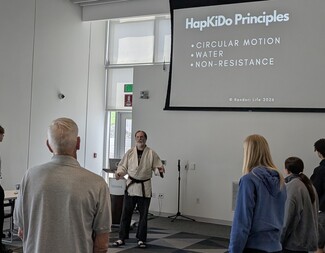 10/23/26 @ 8:30 a.m.NewBo City MarketCedar Rapids
 -
Early Learning Story Time at Busse Branch
2026-10-23 10:00:00 -0500 10/23/26 @ 9:30 a.m.Cedar Rapids Public Library Busse BranchCedar Rapids