Gazette Local Ticket Events
Currently and Upcoming on Hoopla
-
Upward Basketball Sign Up
2026-10-15 19:00:00 -0500 10/15/26 @ 7:00 a.m.The Church on NorthlandCedar Rapids
 -
Together in Song Chorus
2026-10-15 12:00:00 -0500 10/15/26 @ 9:30 a.m.Chris and Suzy DeWolf Family Innovation Center for Aging & DementiaCedar Rapids
 -
Music & Movement Story Time
2026-10-15 10:30:00 -0500 10/15/26 @ 9:30 a.m.Cedar Rapids Public Library Busse BranchCedar Rapids
 -
Cedar Rapids Area Genealogy Library
2026-10-15 16:00:00 -0500 10/15/26 @ 10:00 a.m.Cedar Rapids Area Genealogy LibraryCedar Rapids
 -
Caring for Parents With Chronic Conditions
2026-10-15 11:30:00 -0500 10/15/26 @ 10:00 a.m.Chris and Suzy DeWolf Family Innovation Center for Aging & DementiaCedar Rapids
 -
"European Travels" - an exhibit of original artworks by John Preston
2026-10-15 17:00:00 -0500 10/15/26 @ 10:00 a.m.Gilded Pear GalleryCedar Rapids
 -
Civil Service Commission Meeting
2026-10-15 11:00:00 -050010/15/26 @ 10:00 a.m.City Services Center -
Toddler Time
2026-10-15 11:00:00 -0500 10/15/26 @ 10:30 a.m.Marion Public LibraryMarion
 -
Daytime Knit Wits
2026-10-15 15:00:00 -0500 10/15/26 @ 1:00 p.m.Marion Public LibraryMarion
 -
Scrabble Club
2026-10-15 16:00:00 -0500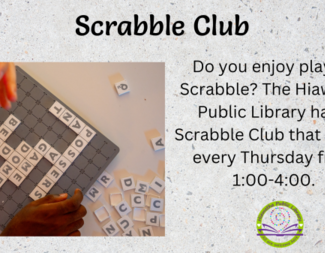 10/15/26 @ 1:00 p.m.Hiawatha Public LibraryHiawatha
 -
Preschool Story Time
2026-10-15 11:00:00 -0500 10/15/26 @ 10:00 a.m.Ely Public LibraryEly
 -
Muscatine and the Civil War
2026-10-15 17:00:00 -0500 10/15/26 @ 10:00 a.m.Muscatine Art CenterMuscatine
 -
Celebrating our Country's 250th Anniversary
2026-10-15 15:00:00 -0500 10/15/26 @ 11:00 a.m.Kalona Historical VillageKalona
 -
Threading the Needle: Fiber Art in Iowa
2026-10-15 20:00:00 -0500 10/15/26 @ 12:00 p.m.Cedar Rapids Museum of Art - Grant Wood StudioCedar Rapids
 -
Marvin Cone: An American Vision Exhibition
2026-10-15 20:00:00 -0500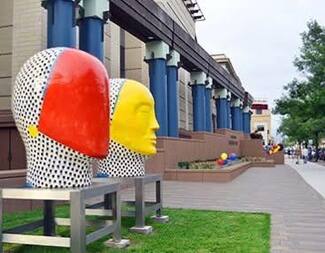 10/15/26 @ 12:00 p.m.Cedar Rapids Museum of Art - Grant Wood StudioCedar Rapids
 -
Grant Wood: from Farm Boy to American Icon Exhibition
2026-10-15 20:00:00 -0500 10/15/26 @ 12:00 p.m.Cedar Rapids Museum of Art - Grant Wood StudioCedar Rapids
 -
Art in Roman Life Exhibition
2026-10-15 20:00:00 -0500 10/15/26 @ 12:00 p.m.Cedar Rapids Museum of Art - Grant Wood StudioCedar Rapids
 -
Beyond the Prairie: Midwestern Art from the Collection Exhibition
2026-10-15 20:00:00 -0500 10/15/26 @ 12:00 p.m.Cedar Rapids Museum of Art - Grant Wood StudioCedar Rapids
 -
Barn Storm: Picturing a Midwestern Icon
2026-10-15 20:00:00 -0500 10/15/26 @ 12:00 p.m.Cedar Rapids Museum of Art - Grant Wood StudioCedar Rapids